
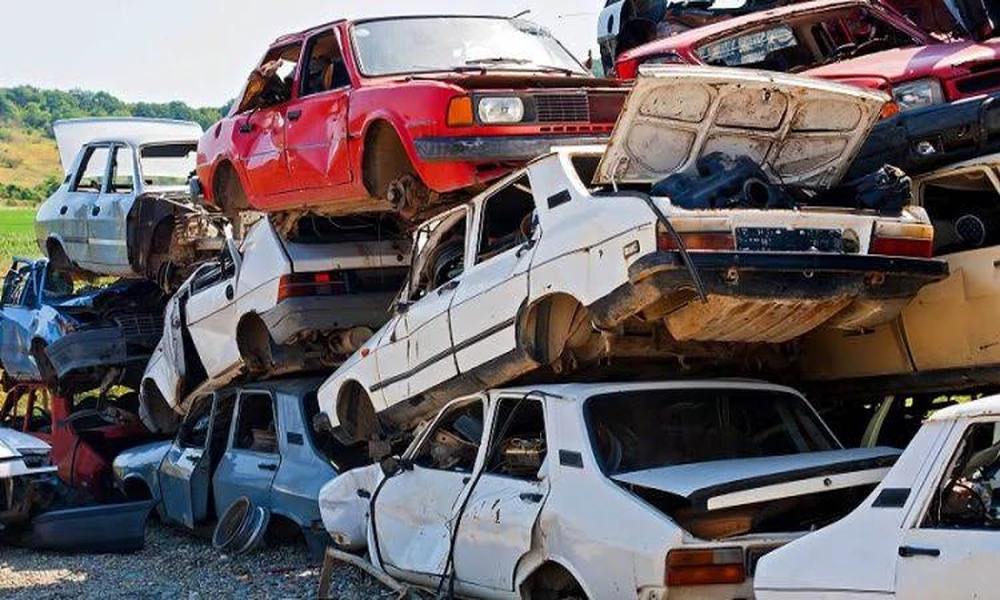
Singapore scrap car services help vehicle owners navigate the deregistration and disposal process efficiently while maximising the return they receive from a car they no longer want to keep. The Singapore vehicle deregistration system has a clearly defined structure, with PARF rebates and COE refunds that make the financial outcome of scrapping a car predictable once you understand how it works. A licensed scrap car dealer manages the process from quote to payout, handling all the paperwork and collection so the owner receives the payment without having to manage the administrative complexity.
The Singapore Vehicle Deregistration System
Every car registered in Singapore has a Certificate of Entitlement, which is valid for ten years. At the end of the COE period, the owner may renew for a further five or ten years (at the prevailing QP rate) or deregister the vehicle.
When a vehicle is deregistered, the owner receives:
- PARF rebate: applicable for vehicles deregistered within their first ten-year COE period. The rebate is calculated as a percentage of the PARF paid at registration, with the percentage declining as the car ages.
- COE refund: if the car is deregistered before its COE expires, the remaining COE value is refunded pro-rata based on the residual period and the prevailing COE premium.
- Scrap metal value: the dealer pays for the vehicle based on its scrap metal weight and the prevailing metal prices.
The combination of these three components is what the Singapore scrap car payout represents. Understanding each component helps owners assess whether the quote they are receiving is fair.
When to Scrap Rather Than Renew
The financial decision between renewing a COE and scrapping the vehicle comes down to comparing the renewal cost against the cost of replacing the vehicle with a newer one. In periods where COE premiums are high, renewal costs for a ten-year vehicle can exceed the value of a newer second-hand equivalent, making scrappage the more rational choice.
For cars with mechanical issues or high anticipated maintenance costs, the forward cost of ownership enters the calculation alongside the renewal premium. A scrap car transaction that converts the residual value of an ageing vehicle into cash to put toward a replacement may be financially superior to spending that cash on maintenance and a high renewal premium.
As former Transport Minister Ong Ye Kung noted at a COE policy briefing: “Singapore’s vehicle population management is designed to balance mobility with environmental and road space constraints.” The deregistration incentives built into the system encourage timely renewal of the vehicle fleet and make scrapping the right financial and environmental choice at the right point in a vehicle’s life.
The Scrap Process Step by Step
A typical Singapore scrap car transaction proceeds as follows:
- The owner contacts a licensed scrap dealer, provides the vehicle details, and receives a quote. The dealer should provide a clear breakdown of the PARF, COE, and scrap metal components.
- If the quote is accepted, the dealer arranges a date for vehicle handover, either by collection from the owner or by the owner driving the vehicle to the dealer’s yard.
- The dealer submits the deregistration application to LTA on the owner’s behalf and handles the completion of the paperwork.
- LTA processes the deregistration and releases the rebate amounts. The dealer deducts any agreed handling fee and forwards the balance to the owner.
SGCarScrap Singapore Scrap Car Services
SGCarScrap provides Singapore scrap car solutions for vehicle owners who want a straightforward disposal experience with competitive payout. Their licensed team handles the full LTA deregistration process, provides transparent quotes that break down each component of the payout, and arranges convenient vehicle collection.
