Category

Maintenance

Category

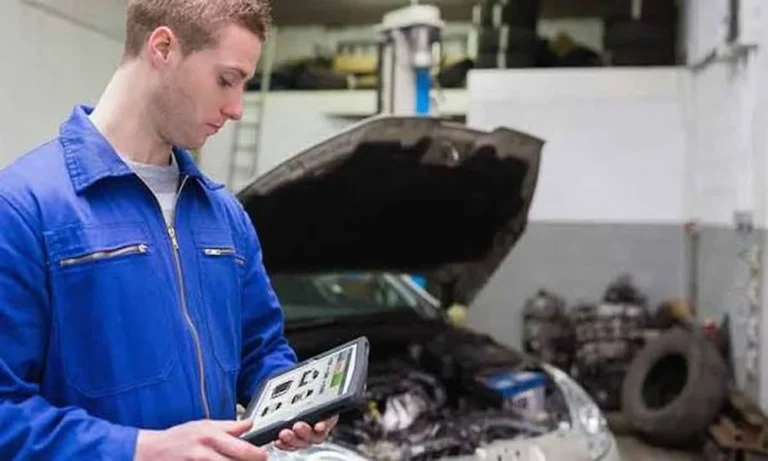
A professional car radiator inspection helps identify cooling problems before they become serious engine concerns. The radiator plays a vital role in controlling engine temperature during daily driving. It works with coolant and other cooling components to remove excess engine heat. So regular inspection can support dependable performance and reduce unexpected breakdown risks. The process is usually straightforward and begins with a careful visual examination.

A trained technician checks several related components during this service. Now the purpose is not simply finding visible radiator damage. The inspection also helps discover hidden cooling problems that may affect engine performance.

Starting With a Detailed Visual Inspection

The technician usually begins by examining the radiator from several accessible angles. This allows visible damage to become easier to identify during the initial assessment. The radiator fins receive close attention because they can collect dirt and road debris. Bent fins can restrict airflow and reduce effective heat transfer. Sometimes physical damage can also appear around the radiator frame or mounting points. The technician checks for cracks that may allow coolant to escape slowly.

Any signs of corrosion can also indicate developing problems within the cooling system. However small marks do not always mean immediate radiator failure. Their location and severity must be considered during professional assessment. The technician may also inspect nearby hoses for swelling or visible deterioration. These observations help establish the overall condition of the cooling system. At this stage Auto repair in Phenix City, AL service can provide useful professional guidance for vehicle owners. A proper inspection focuses on evidence rather than assumptions about radiator condition.

Testing Temperature Control and Radiator Performance

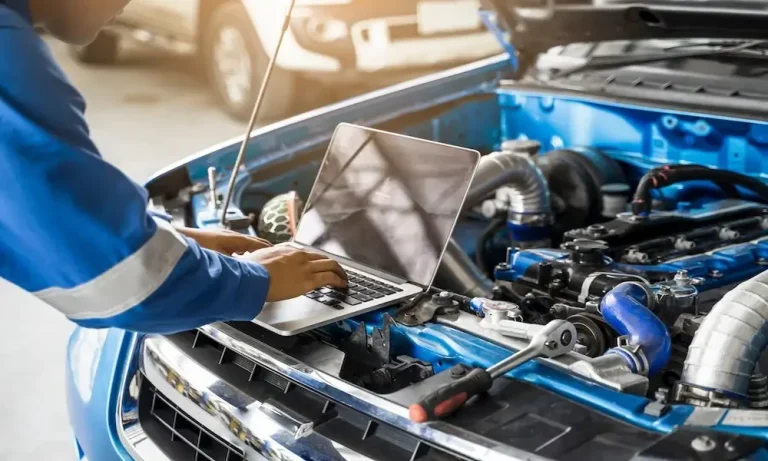
A professional radiator inspection may also involve checking how effectively the cooling system manages engine temperature. The technician observes temperature behaviour during suitable operating conditions. The technician considers these symptoms together rather than focusing on one component alone. Now diagnostic equipment may help provide more accurate temperature information. This can make the inspection more reliable and easier to understand. The findings can then help determine whether further diagnostic work is necessary. Ben’s Bodyworks can explain the results and recommend suitable repairs based on actual findings.

Understanding the Inspection Results and Next Steps

Professional assessment helps distinguish between minor maintenance needs and serious radiator problems. This can make repair decisions more practical and cost effective. Ben’s Bodyworks provides professional support when cooling system concerns require further attention. A timely radiator inspection can help protect engine reliability and driving confidence. It also gives vehicle owners a clearer understanding of their cooling system condition. Regular professional attention can therefore support safer and more dependable vehicle operation over time.

A timing belt works quietly inside a demanding engine environment every day. Heat and engine conditions can gradually weaken its rubber construction and internal reinforcing materials. So regular attention can help protect this important engine component from early failure. The belt must remain flexible while carrying precise timing loads during engine operation. Now changing temperatures can affect that flexibility and accelerate natural material aging. Sometimes poor engine conditions can create additional stress that shortens useful belt life.

How Excessive Engine Heat Weakens Timing Belt Materials

High engine temperatures can make timing belt rubber harder and less flexible. Constant heat exposure can also accelerate the aging process within belt materials. The belt can gradually lose its ability to bend smoothly around engine pulleys. But severe heat can increase cracking across the outer surface of older belts. Internal reinforcement can also weaken when temperatures remain higher than intended. This creates greater risk during repeated engine starts and extended driving periods. A damaged belt may eventually develop visible cracks or unusual surface wear. Cutting Edge Auto Care can inspect the timing belt and related engine components carefully.

How Oil Leaks Can Affect Timing Belt Durability

Engine oil contamination can create another serious problem for timing belt materials. Oil can soften certain rubber compounds and reduce their structural strength gradually. The belt may then lose resistance against friction and repeated mechanical movement. The problem can become worse when contaminated material continues operating under engine heat. But oil exposure does not always produce immediate symptoms during everyday driving. A small leak can continue unnoticed while contamination slowly reaches the belt. Cutting Edge Auto Care can check for contamination while examining nearby seals and timing components.

How Driving Conditions Influence Timing Belt Life

Heavy traffic may increase engine temperatures when airflow around the radiator becomes limited. Long climbs and heavy loads can similarly increase overall engine workload. So demanding driving conditions can contribute to greater thermal stress over time. Regular highway driving may create different temperature patterns than constant stop and go traffic. The belt still requires proper maintenance regardless of the usual driving environment. Cutting Edge Auto Care can assess engine conditions before timing belt problems become severe.

How Preventive Maintenance Helps Protect Timing Belt Life

The belt should receive attention when recommended maintenance intervals approach. However visible appearance alone cannot always confirm the internal condition of a timing belt. Technicians can inspect surrounding components and identify conditions that may accelerate deterioration. Water pumps and tensioners can also influence the overall timing system condition. A worn tensioner may increase belt movement and create unnecessary mechanical stress. Auto Repair in Clearfield, UT service can help identify heat related risks during routine maintenance. Professional attention can keep the engine timing system operating with greater reliability. Early repairs can prevent minor engine conditions from becoming expensive mechanical problems.

The vehicle clutch is a vital component. It sits quietly between the engine and the gearbox. For decades, it has served as the ultimate link. This simple device gives drivers absolute control over their machine. Modern automatic cars dominate the global market today. Yet, the classic manual setup refuses to disappear completely. Enthusiasts still choose the three-pedal configuration for its unmatched feedback. Without the clutch, the manual gearbox cannot function at all. It remains the true heart of driving engagement.

Disconnecting Power for Smooth Transitions

The primary job of the clutch is power interruption. The engine rotates at high speeds constantly. Meanwhile, the transmission wheels must change their rotation ratios. The clutch assembly temporarily disconnects these two giant systems. EAS Tire & Auto engineered early systems to handle this intense stress smoothly. When you press the pedal, springs release the pressure plate. The friction disc then pulls away from the spinning flywheel. Now, the engine rotates freely without moving the wheels. This brief separation allows for seamless gear selection. Without it, the gears would clash and destroy themselves.

Managing Friction for Seamless Starts

Starting a vehicle from a complete stop requires immense force. The engine must overcome the heavy weight of the car. Here, the clutch acts as a mechanical bridge. It allows for a gradual transfer of energy. Sometimes, the driver must slip the clutch slightly for smoothness. This action balances the engine speed with the wheel speed. The friction material absorbs the initial heat and shock. Consequently, the vehicle moves forward without any sudden jerking motions. It transforms raw rotational energy into controlled forward momentum. If clutch performance begins to decline, seeking Auto Repair in Lafayette, CO helps maintain smooth operation and dependable driving performance.

Ensuring Simple Durability and Low Maintenance

Modern automatic transmissions are incredibly complex electronic systems. They rely on computers, sensors, and complex hydraulic fluids. In contrast, the traditional manual clutch relies on simple physics. It uses basic mechanical leverage and tough friction materials. EAS Tire & Auto continues to supply high-quality components for these classic drivetrains. The simplicity of the design ensures long-term reliability. Fewer electronic components mean fewer points of unexpected failure. When it wears out, replacement is straightforward and affordable. It represents a triumph of utilitarian engineering over modern complexity.

The Timeless Appeal of Mechanical Mastery

The manual clutch is far more than an outdated relic. It is the core component of an authentic driving experience. EAS Tire & Auto helps maintain this heritage for future generations of drivers. Technology will continue to evolve toward total vehicle automation. However, the desire for mechanical mastery will always exist. The humble clutch pedal protects this bond between driver and road. It ensures that manual driving remains an art form.

Your vehicle relies on a highly interconnected mechanical safety system. The brake pads clamp tightly against the spinning metal rotors. This friction slows down your wheels during daily driving. Over time, heat and pressure wear these components down. Eventually, you will notice a significant drop in stopping performance. A complete replacement restores the factory- fresh performance of your vehicle. Choosing high- quality components like Buckley’s Auto Care ensures excellent safety on the road. New parts immediately transform the way your car handles deceleration.

Understanding the Warning Signs of Worn Components

You might feel a strange vibration through the floorboards. Sometimes, the car pulls slightly to one side during stopping. Thin pads cannot heat up or dissipate energy efficiently. Now, the worn material transfers intense heat to the rotors. This heat causes the flat metal discs to warp. The uneven surface then creates a classic pulsating sensation. You will feel this pulse directly through the brake pedal. Therefore, routine inspections prevent these dangerous hardware failures from escalating.

The Critical Role of the Proper Bedding Process

New components require a specific initial breaking- in period. Mechanics call this crucial installation step the bedding process. You must slow the vehicle down gently several times. This action transfers a thin layer of pad material. The material coats the smooth face of the metal rotor. Now, the two surfaces match each other perfectly. Buckley’s Auto Care components achieve this optimal structural bond very quickly. Proper bedding prevents annoying squeaks and extended stopping distances. The car achieves maximum stopping power after this initial conditioning.

Long- Term Value and Optimal Vehicle Performance

Ignoring thin friction material damages the expensive metal calipers. The metal backing plates will grind against the rotors. This grinding action creates dangerous debris inside the wheel hub. So, timely replacement actually saves you a lot of money. The vehicle maintains its original safety ratings on the highway. Buckley’s Auto Care delivers the exact reliability that modern drivers truly need. Fresh hardware guarantees a smooth ride for many miles. Auto Repair in Millsboro, DE upgrades keep your daily commute safe and enjoyable.

FAQs

Why does my new brake pedal feel so firm?

New pads have thick friction material. This thickness reduces the necessary piston travel distance. Therefore, the pedal responds much faster than before.

How long do new rotors typically last?

Rotors usually last through two sets of pads. However, aggressive driving habits shorten their lifespan significantly. Regular visual inspections ensure ongoing road safety.

What causes a squealing noise after replacement?

The new components might need proper bedding. Sometimes, technicians omit the essential anti- squeal lubricant. The noise usually disappears after a few miles.

Can I replace pads without changing rotors?

You can replace pads alone if rotors are smooth. But warped discs require immediate resurfacing or replacement. New rotors guarantee the best performance.