Author

admin

Browsing

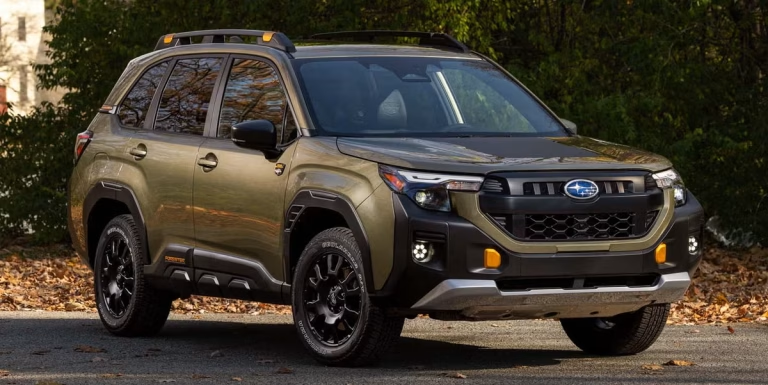
If you’re looking for where are Subaru Foresters made, the answer is strictly Japan. Unlike the Outback, Ascent, and Legacy, which are built in Lafayette, Indiana, every Forester sold in the U.S. is manufactured at the Yajima Plant in Gunma Prefecture. This “Made in Japan” status is a point of pride for many owners, though it does mean the model is subject to international shipping timelines that don’t affect Subaru’s domestically built SUVs.

This means the Forester carries a 2.5% import tariff as a passenger car (not subject to the 25% truck tariff), which adds a relatively modest cost to its price. The Japanese origin of the Forester is broadly seen as a positive by enthusiasts – Subaru’s Gunma facilities are known for consistent quality control, and the Forester has earned a strong long-term reliability reputation.

Subaru Manufacturing Facilities Overview

Plant Location Country Models Produced Notes
Yajima Plant, Gunma Japan Forester, Impreza, WRX, BRZ, Crosstrek (some) Subaru’s flagship manufacturing campus
Oizumi Plant, Gunma Japan Engines, transmissions Powertrain manufacturing; supplies Yajima and Indiana
Subaru of Indiana Automotive (SIA) Lafayette, Indiana, USA Outback, Legacy, Ascent, Impreza (some) Opened 1989; employs ~6,000 workers
Toyota collaboration (Onnaing, France) France BRZ / GR86 (European models) Toyota-Subaru joint production for EU market only

How Much of the Forester Is Made in Japan vs Elsewhere?

According to NHTSA AALA data, the Subaru Forester typically shows 0-5% US/Canadian parts content, reflecting its almost entirely Japanese manufacturing and supply chain. The engine, transmission, body components, and electronics are all sourced and assembled in Japan.

This contrasts with the Subaru Outback and Ascent, which are assembled in Indiana and show significantly higher US/Canadian parts content – typically 60-75% depending on the model year and specific configuration.

Forester vs Outback vs Crosstrek – Where Each Is Made

Model Assembly Country US/CA Parts % Import Tariff
Forester Japan (Yajima, Gunma) 0-5% 2.5% (passenger car)
Outback USA (Lafayette, Indiana) 60-75% No tariff – domestic assembly
Legacy USA (Lafayette, Indiana) 60-75% No tariff
Ascent USA (Lafayette, Indiana) 55-70% No tariff
Crosstrek Japan (Yajima) + some Indiana 10-30% (varies) 2.5% for Japan-built units
WRX Japan (Yajima, Gunma) 0-5% 2.5%
BRZ Japan (Yajima, Gunma) 0-5% 2.5%

Does ‘Made in Japan’ Affect Forester Quality?

The evidence suggests it helps rather than hurts. The Forester consistently earns strong reliability scores from J.D. Power, Consumer Reports, and RepairPal. Subaru’s Gunma plants have been producing vehicles for decades with well-established quality processes and relatively low turnover in the skilled workforce that builds these cars.

The Subaru of Indiana plant also has a strong reputation – the Outback and Ascent both earn solid reliability ratings despite being US-assembled. So for Subaru specifically, the assembly location doesn’t appear to create a quality difference either way.

Import Duties and How They Affect Forester Pricing

As a passenger car (not a truck), the Forester faces a 2.5% import tariff – not the 25% tariff applied to pickup trucks. On a $30,000 Forester, that’s approximately $750 in tariff cost – a relatively modest amount that has minimal impact on final retail pricing.

  • Any potential future tariff increases on Japanese imports could affect the Forester’s price more significantly.
  • Currency exchange between USD and JPY also influences pricing – a stronger dollar relative to the yen makes imported vehicles cheaper; a weaker dollar makes them more expensive.
  • Subaru has not announced plans to move Forester production to the US, though it could theoretically be absorbed into the Indiana facility.

For Forester buyers wondering about origin: you’re getting a Japanese-built vehicle from Subaru’s primary production campus, with a supply chain that’s almost entirely Japanese. Whether that’s a selling point or a concern depends on your priorities – but on the question of build quality, the Forester’s reliability record makes a strong argument for the status quo.

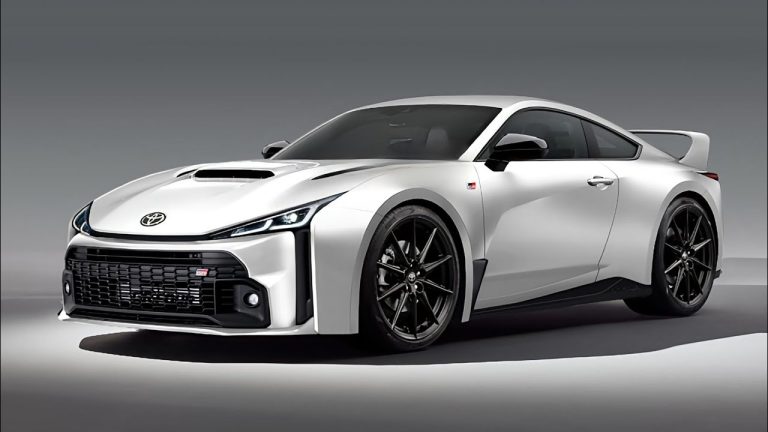
Exciting news for enthusiasts: toyota celica new reports have transitioned from rumors to reality. As of 2026, Toyota Chairman Akio Toyoda has championed the revival of the nameplate, with a concept car recently debuted at major auto shows. The new Celica is positioned as a high-output AWD sports coupe utilizing a 2.0L turbocharged engine, potentially bridging the gap between the GR86 and the GR Supra. It is expected to hit showroom floors by the end of the 2026 calendar year, reviving a legendary rally-bred legacy for a new generation.

If the new Toyota Celica follows the path suggested by recent leaks, expect a lightweight hybrid powertrain, sharp coupe styling, and a price in the $30,000 to $40,000 range – making it more accessible than the Supra and a natural competitor to the Mazda MX-5 and Subaru BRZ.

Is the Toyota Celica Coming Back?

Toyota has been unusually busy reviving iconic nameplates in recent years – the Supra returned in 2019, the Land Cruiser was relaunched for the US market, and the GR Corolla brought serious performance to a family hatchback. The Celica feels like the next logical step.

Japanese automotive publication Best Car Web reported in 2024 that Toyota is actively developing a new Celica based on a new TNGA-Sport platform. Industry analysts expect a reveal no earlier than 2025, with production potentially beginning in 2026 or 2027.

What We Know So Far – New Toyota Celica 2025/2026

Detail Current Status / Expected Info
Official Confirmation Not yet announced as of early 2025
Expected Platform TNGA-Sport (shared with GR86/Supra family)
Powertrain Hybrid – likely 1.5L or 2.0L + electric motor
Expected Output 200 to 280 hp (estimated)
Body Style 2-door coupe or liftback
Expected Price $30,000 to $42,000 USD (estimated)
Likely Reveal 2025 Tokyo Motor Show or 2026
Production Start 2026 or 2027 (estimated)

Expected Design – What Will It Look Like?

Based on Toyota’s current design language – particularly the GR86 and GR Corolla – the new Celica is expected to have a low, wide stance with a fastback or liftback roofline. Toyota designers have been quoted talking about creating ’emotional’ sports cars, and the Celica’s heritage as a driver-focused, lightweight coupe fits perfectly with that direction.

Expect sharp LED lighting, sculpted side panels, and a cabin-forward silhouette similar to what made the late 1990s Celica so visually memorable. It will almost certainly carry GR (Gazoo Racing) branding to align with Toyota’s current performance lineup.

Powertrain Options – Hybrid or Electric?

Given Toyota’s global hybrid push, it is almost certain the new Celica will feature a hybrid powertrain rather than a pure internal combustion engine. The most likely candidate is a version of Toyota’s 2.0-litre Dynamic Force engine paired with an electric motor – similar to what powers the Prius but tuned significantly for performance.

A fully electric Celica is possible but less likely for the first generation, as Toyota has consistently argued that performance hybrids offer the best driving feel for sports cars. Purists may be disappointed – but the hybrid system could actually make the Celica faster off the line than the original ever was.

Toyota Celica Legacy – A Quick Look Back

First Generation (1970-1977)

The original Celica launched in 1970 as Toyota’s answer to the Ford Mustang – a sporty, affordable personal coupe aimed at young drivers. It was a massive hit, establishing Toyota as a manufacturer capable of making genuinely desirable cars rather than just reliable ones.

Final Generation (1999-2006)

The seventh and final generation Celica is still talked about with real affection. Its 1.8-litre engine, ultra-low curb weight, and sharp handling made it a favourite on winding roads and club racing circuits. Toyota discontinued it in 2006 citing declining sports coupe sales – a decision many fans still argue was premature.

New Celica vs. GR86 – How They Compare

Feature New Toyota Celica (Expected) Toyota GR86 (Current)
Powertrain Hybrid ~200-280 hp 2.4L NA – 228 hp
Body Style Coupe / Liftback 2-door sports coupe
Target Price $30,000 to $42,000 $28,400 to $32,000
Drivetrain FWD or AWD (estimated) RWD
Focus Daily usability + performance Pure driving / track focus
Cargo Space More practical (liftback) Very limited

Expected Price and Release Date

Industry estimates place the new Celica between $30,000 and $42,000 USD at launch. This would position it above the GR86 entry point but below the Supra – filling a gap in Toyota’s performance lineup that many enthusiasts have been vocal about.

An official reveal is most likely at the 2025 Tokyo Motor Show in October/November, with a production release in late 2026 or early 2027 for most markets.

Should You Wait for the New Celica?

If you are in the market for a sports coupe right now, the GR86 or a used Supra are your best Toyota options today. However, if you can wait 18 to 24 months and the Celica confirms its rumoured specs, it could be the most compelling sports car in Toyota’s modern history – better daily usability than the GR86, more accessible pricing than the Supra, and a legendary name to boot.

The lamborghini huracan tecnica starts at $249,000 USD (approximately ₹4.04 Crore) and represents the high-water mark for the naturally aspirated V10 era. It features the 631-hp engine from the STO but is tuned for better road usability. As Lamborghini officially moves toward the hybrid Temerario in 2026, the Tecnica has become a collector favorite for being the “sweet spot” of the final Huracán lineup.

In short: the Tecnica is the Huracán that’s most fun to drive on a Sunday canyon run, and it looks better doing it than any of its siblings.

What Is the Huracán Tecnica?

Introduced in 2022, the Tecnica was Lamborghini’s answer to a specific question: what if you took the aerodynamic lessons from the STO race car and applied them to a street car that doesn’t require a roll cage and a helmet?

The result is a rear-wheel-drive Huracán with a revised aerodynamic package, new rear wing, updated LDVI (Lamborghini Dinamica Veicolo Integrata) dynamics control, and a tuned version of the naturally aspirated 5.2L V10 engine.

Full Specs – Lamborghini Huracán Tecnica

Spec Detail

|—|—|

Engine 5.2L naturally aspirated V10
Power 631 hp @ 8,000 rpm

| Torque | 417 lb-ft @ 6,500 rpm |

| Drivetrain | Rear-wheel drive |

| Transmission | 7-speed dual-clutch |

0-62 mph 3.2 seconds
Top Speed 202 mph
Weight 1,379 kg (dry)
Starting Price $248,752

Huracán Tecnica vs EVO vs STO – Which Should You Buy?

Model Price Drive Power Focus

|—|—|—|—|—|

Huracán EVO $215,000 AWD/RWD 631 hp Balanced daily use
Huracán Tecnica $248,752 RWD only 631 hp Driver engagement
Huracán STO $330,000 RWD only 631 hp Track performance

| Huracán Sterrato | $264,000 | AWD | 602 hp | Off-road/rally |

All three share the same engine displacement, but each has a distinct character:

– **EVO AWD** – best grip, easiest to drive fast, suits buyers who want the V10 with maximum confidence

– **Tecnica** – rear-wheel drive excitement with street-friendly usability, best balance in the range

– **STO** – essentially a race car with number plates; not suited for regular road use

What’s It Like to Drive?

The Tecnica’s character is shaped largely by two things: rear-wheel drive and that naturally aspirated V10.

Unlike turbocharged supercars that deliver power in a surge, the V10 builds linearly all the way to its 8,500 rpm redline. At full throttle, the noise alone is worth the price of admission – it’s one of the last naturally aspirated V10 production cars in existence.

The rear-wheel-drive setup means you’ll feel the car rotate and move beneath you in corners. Lamborghini’s driving dynamics system lets you dial between three modes:

– **Strada** – comfortable, predictable, suitable for everyday driving

– **Sport** – sharper throttle response, more steering feel, the mode most drivers use most often

– **Corsa** – full attack mode, for track days or open road sessions

The Tecnica sits low, communicates well through the steering, and pulls hard in a way that naturally aspirated engines simply do better than anything with a turbo.

Should You Buy the Huracán Tecnica?

The Tecnica hits a specific target: buyers who want the most engaging Huracán experience without committing to the STO’s compromises.

**Buy the Tecnica if:**

– You want rear-wheel drive engagement in a usable package

– The V10 sound is important to you (it won’t last forever)

– You value driving purity over raw lap times

**Consider the EVO if:**

– You want AWD security for all-weather driving

– You have a partner or passenger who might be nervous in RWD

– Budget is closer to the $215K mark

**Choose the STO if:**

– You have a dedicated track car goal and a trailer to transport it

– Lap times matter more than road comfort

With Lamborghini transitioning to the Urus-based hybrid Huracán successor in the coming years, the naturally aspirated V10 Tecnica is increasingly a last-of-its-kind purchase. That alone makes it worth considering sooner rather than later.

The nouveau moteur Renault for 2025 and 2026 is the E-Tech 160 full hybrid powertrain. This 1.8-liter unit, which debuted in models like the Clio and Captur, delivers 160 horsepower and uses a clutchless multimode gearbox derived from Formula 1 technology. Renault is moving decisively away from older diesel engines toward these electrified options that offer up to 80% electric driving in city conditions and a total range of up to 1,000 kilometers.

The standout new addition is the **1.2L turbocharged petrol engine** co-developed with Horse Powertrain, offering improved fuel economy over the outgoing 1.3L TCe units while maintaining competitive power outputs across the Clio, Captur, and Megane range.

What’s New With Renault Engines in 2025?

Renault’s engine strategy in 2025 revolves around three pillars:

**1. Electrification First**

Renault is prioritising full-hybrid (E-Tech) and plug-in hybrid options. The E-Tech system pairs a petrol engine with two electric motors and a unique claw-clutch gearbox that was originally inspired by Formula 1 technology.

**2. New 1.2L Turbo Petrol**

The new 1.2-litre turbocharged unit replaces the 1.0L and some 1.3L variants. It’s lighter, more efficient, and tuned for both performance and low emissions – designed to comply with tightening Euro 7 standards.

**3. Diesel Phase-Out**

Renault has significantly reduced diesel availability across its passenger car range in Europe. Only certain commercial and larger utility vehicles will retain diesel options going forward.

New Renault Engine Options – 2025 Overview

Engine Type Power Output Models Available Fuel Economy (est.)

|—|—|—|—|—|

1.2L TCe Turbo Petrol Mild Hybrid 130 hp Clio, Captur, Arkana 5.8L/100km

| 1.6L E-Tech Full Hybrid | Full Hybrid | 145 hp | Clio, Captur, Austral | 4.6L/100km |

| 1.8L E-Tech Plug-in Hybrid | PHEV | 160 hp | Austral, Espace | 1.5L/100km (WLTP) |

1.3L TCe (outgoing) Petrol 140-160 hp Being phased out 6.2L/100km
1.5L dCi Diesel Diesel 115 hp Austral, Espace only 5.0L/100km

Which Renault Cars Get the New Engine First?

Renault is rolling out the new 1.2L turbo and updated E-Tech systems in a phased approach:

**Already available:**

– Renault Clio – new 1.2L TCe and updated E-Tech hybrid

– Renault Captur – full E-Tech hybrid and mild-hybrid variants

**Coming mid-2025:**

– Renault Arkana – replacing the 1.3L with the new 1.2L unit

– Renault Austral – updated PHEV powertrain with more electric range

**Later in 2025 / early 2026:**

– Renault Megane E-Tech (electric only – no combustion engine)

– New Renault 5 – electric powertrain only

How Does the New Engine Compare to What Came Before?

The shift from the 1.3L TCe to the new 1.2L is more meaningful than the displacement reduction suggests:

Spec Old 1.3L TCe New 1.2L TCe

|—|—|—|

Displacement 1,332 cc 1,199 cc
Power 130-160 hp 130 hp
Torque 240 Nm 230 Nm
CO2 Emissions ~130 g/km ~118 g/km
Weight Heavier ~15kg lighter
Euro Standard Euro 6 Euro 7 ready

The new unit may produce slightly less torque, but the weight reduction and emissions improvement make it a better fit for Renault’s current direction.

Is the New Renault Engine Worth Waiting For?

If you’re buying a Clio or Captur in 2025, the new E-Tech hybrid or updated 1.2L turbo is worth waiting for over older stock. Fuel savings over three years of ownership can offset any small price premium.

For drivers who cover high annual mileage, the full E-Tech hybrid version makes the most financial sense – especially in city and suburban driving where the electric component kicks in most frequently.

The Evolving Landscape of Personal Injury Law

Personal injury law is always shifting—new rules, updated safety standards, lots of paperwork changes. In 2026, lawyers need to keep up with technology, too. Records are digital, insurance companies use more online tools, and privacy rules are tighter than before. If a law firm doesn’t pay attention to these changes, their clients might wind up with mistakes in their paperwork or missed deadlines. Having a lawyer who keeps pace with these changes is one of the smartest moves accident victims can make.

Key points for today’s legal world:

  • Online records and digital evidence are common, requiring careful management
  • Insurance companies keep updating their tactics, so lawyers have to adapt fast
  • New privacy standards can impact which documents you need to share

Impact of Legal Representation on Case Outcomes

It’s not just a cliché—having a skilled attorney can change the outcome of a case in a big way. People with experienced legal counsel usually walk away with higher settlements and feel less lost in the process. Insurance companies are less likely to try sneaky tactics when they know there’s a professional in your corner.

What experienced legal support often provides:

  • Bigger settlements compared to those who go it alone
  • A better understanding of the complicated steps involved
  • Less stress from dealing with insurance companies and legal paperwork

Why Hiring the Right Injury Lawyer Matters

Picking the right attorney is more than just finding someone with a law degree. The right lawyer will listen, explain things in plain English, and actually have time for your questions. If you land in court, you want someone who’s prepared and confident. A good fit means your case moves smoother and faster—and you feel supported along the way.

Some signs you’ve found the right lawyer:

  • Clear, straightforward answers
  • Willingness to answer every question, even the small ones
  • Respectful, patient communication that puts you first

Remember, a solid legal team can make a stressful situation just a bit easier to handle, and that’s something every injured person deserves.

Key Factors in Selecting a Personal Injury Attorney

It’s not always easy deciding which personal injury lawyer to trust with your case. This part can feel a bit like interviewing, but what you do now will set the tone for your whole claim.

Evaluating Credentials and Experience

The first thing anyone should look at is whether the lawyer has the right background. Don’t just check if they’re licensed—dig a little deeper. Personal injury law covers all sorts of accidents, so check that their experience matches your kind of case. For example, someone who handles car accidents every day might not be the best pick if your case is about a slip and fall at work.

A good personal injury attorney will have a solid history guiding cases similar to yours from start to finish. Ask how long they’ve practiced law and how many cases they’ve actually settled or taken to court.

Consider these points:

  • Where did they go to law school and did they do any special training?
  • How many years have they specifically handled personal injury cases?
  • Have they been recognized by any professional groups?

Assessing a Lawyer’s Track Record and Specialization

You want someone who really understands the problem you’re facing. Some lawyers focus on medical malpractice, while others know all about car crashes or workplace injuries. This focus matters because different types of injuries involve different laws, insurance processes, and sometimes even medical details.

Pay attention to their track record:

  • What’s their reputation with past clients and their peers?
  • Have they secured settlements or verdicts for cases like yours?
  • Are they known for pushing for settlements, or are they willing to take a case to trial if needed?

Understanding Communication and Client-First Approaches

How the lawyer treats you from the beginning usually shows how things will go later. A clear, honest, and approachable style makes the process a lot less stressful. The best attorneys make sure you always know what’s happening with your case, explain things in simple language, and return your calls or emails quickly.

Clients should expect frequent updates and honest answers to their questions. Here’s what to watch for:

  • How quickly does the lawyer or their team respond to your first contact?
  • Do they explain things in a way you understand—or just use legal jargon?
  • Can you reach them when you really need to ask something, even outside regular office hours?

Picking the right personal injury lawyer isn’t just about their wins in the courtroom. It’s about finding someone with the right mix of knowledge, focus, and a genuine commitment to your recovery.

Navigating the Search for Legal Representation

Finding the right personal injury lawyer can feel overwhelming, especially if you’re already dealing with an injury. There are most likely dozens of possibilities in your area, so knowing where to start is half the battle. Taking time with your search almost always pays off. Making the right choice early can improve your results down the line.

Leveraging Online Searches and Legal Directories

Just about everyone starts with a quick Google search, but there’s a bit more to it than picking from the first page of results. Consider these online steps:

  • Use reputable legal directories to filter lawyers by practice area and location. This helps ensure the attorney is licensed where you need help.
  • Review firm websites, looking for details about experience and case focus.
  • Read online client reviews, but don’t take every single review at face value.

When searching online, it helps to make a list of several options before narrowing it down. Comparing credentials side-by-side makes the decision clearer. If you want advice on understanding things like credentials, fees, and claim costs, a resource like selecting a personal injury lawyer in Ontario can help you spot the right questions to ask.

Seeking Referrals from Trusted Sources

Personal referrals are often the most valuable tool. If you know someone—whether a colleague, friend, or family member—who’s worked with a personal injury lawyer before, ask about their experience. People tend to be candid about both the good and the bad.

A few key points to keep in mind with referrals:

  • Ask for specific details about the lawyer’s communication, reliability, and outcomes.
  • If you know attorneys who work in other areas, ask if they can refer someone who focuses on injury cases.
  • Use referrals only as a starting point—still do your own research on anyone recommended.

Utilizing Bar Association Referral Services

Every state and many local bar associations offer free referral services. These are useful if you don’t have a personal connection in the legal field. Here’s how they work:

  1. Visit the bar association’s website and find the referral section.
  2. Describe your case—bar staff will connect you with a qualified lawyer for a short consult.
  3. Many lawyers offer a brief free meeting for new clients found through these services.

It’s important to weigh every option without feeling rushed. With so much at stake, taking a little time to find the right match can be the difference between a smooth process and unnecessary stress. The sooner you start, the sooner you can get back to focusing on your recovery.

Essential Considerations When Hiring a Lawyer

Choosing the right personal injury attorney can feel overwhelming, especially with so many firms advertising similar services. Focusing on a few major points makes comparing your options much easier. It’s not just about finding any lawyer—it’s about picking the one who’s right for your specific needs. Here are some important factors to keep in mind:

Understanding Contingency Fee Structures

Most injury attorneys work on a contingency fee basis. What does that mean for you? Essentially, the lawyer only gets paid if they win your case. Still, you’ll want to know exactly what percentage gets taken out and if additional expenses come up along the way. Ask for details upfront, such as:

  • The exact percentage charged if your case settles or goes to trial
  • If you’ll be responsible for court filing fees or costs related to expert witnesses
  • Whether any payments are expected if your case is unsuccessful

Taking time to understand how payment works can help avoid surprises and let you budget accordingly. For more ideas on what to ask during the selection process, you can follow tips on confidently selecting a personal injury lawyer.

The Value of Free Initial Consultations

Most reputable lawyers offer a free initial discussion to review your situation. Don’t skip this step. These consultations allow you to:

  • See if the attorney seems knowledgeable and approachable
  • Ask about their style and how they’d handle your claim
  • Gauge their willingness to answer questions and explain your legal options

It’s worth meeting with several lawyers before deciding. This way, you get a feel for different approaches and personalities. Trust your instincts if something feels off or if answers are vague.

Assessing Firm Size and Resource Availability

Firm size often matters more than people realize. A larger firm may have more resources—think support staff, access to medical or accident experts, and the ability to cover upfront case costs. On the other hand, a smaller firm may offer more personal attention, with a single attorney managing your case from start to finish.

Consider this when making your choice:

  • Will your case get individual focus, or will it be passed between staff?
  • Does the firm have funds set aside to cover depositions, investigations, or trial expenses if necessary?
  • How quickly can they respond when you need updates?

The right fit depends on your comfort level and the complexity of your situation. It’s not about choosing the busiest, biggest, or flashiest firm but about making sure they have the time and resources to actually support you.

Keeping these points in mind makes it easier to find an attorney who treats your case with the seriousness it deserves and helps set clear expectations for both sides.

The Role of Technology and Local Expertise

Technology is changing how personal injury law firms work, and local experience is just as important as ever. When someone is looking for the right lawyer, these two things can really shape how their case goes, from the first meeting all the way to a possible settlement.

How Innovation Streamlines Legal Processes

Using the latest technology makes law firms run smoother and can help clients stay in the loop. It’s not unusual to see lawyers using encrypted online tools to share documents, offer updates, or even set up remote consultations. Artificial intelligence is also supporting personal injury claimants in putting their cases together more efficiently than before. For instance, an Alberta company is using AI to help people navigate their injury claims, saving time and helping collect evidence without all the back-and-forth paperwork.

Some real-life perks of technology in personal injury law:

  • Secure online portals for messaging and file sharing
  • Apps for quick check-ins or document uploads
  • Faster case processing thanks to digital signatures and virtual meetings

The Advantage of Local Knowledge and Court Familiarity

Lawyers who know the local scene understand more than just the law—they know the courts, the judges, and how things are usually handled in your part of town. This can mean faster answers and fewer surprises.

Here are some benefits of hiring a lawyer with good local experience:

  • Knows the habits and preferences of area judges and insurance adjusters
  • Understands recent changes in local laws or procedures
  • Can check in on your case personally if needed, not just by phone or email

Ensuring Geographic Coverage and Accessibility

Big law firms might have tech tools and national reach, but sometimes you want a lawyer who’s nearby. Accessibility means you can visit their office, hand over documents in person, or drop in for a chat about your situation. Being close by often leads to better communication and less stress for clients.

Here are a few points to look for:

  • Offices within a convenient distance from your home or workplace
  • Flexible meeting options, including in-person and video calls
  • A commitment to serving your specific geographic area

Using modern technology alongside strong local knowledge helps the best personal injury law firms stand out and makes things easier for people dealing with legal troubles after an accident.

Ensuring Transparency and Client Satisfaction

When looking for a personal injury law firm, clear honesty and positive client experiences should always come first. If a law firm isn’t upfront about how they work or how much they charge, that’s a red flag. Clients need to feel they’re being treated fairly, listened to, and fully informed at every step.

Prioritizing Clear Communication and Ethical Practices

One of the most important qualities in a personal injury attorney is how well they keep clients in the loop. A lawyer who takes the time to answer questions and return phone calls consistently inspires trust. Many successful firms—those described as knowledgeable and friendly—go out of their way to be responsive and considerate, as can be seen in client feedback describing prompt and courteous legal teams.

Clients should expect:

  • All updates about their case communicated clearly (not legal jargon)
  • Honest advice rather than empty promises
  • A respectful, patient approach to addressing questions or concerns

Reviewing Client Testimonials and Satisfaction Rates

Satisfied clients often speak volumes about a law firm’s service. Genuine reviews can reveal a lot about how a firm treats its clients, from their professionalism to their willingness to fight for the client’s interests. But it’s smart to read beyond the star rating:

  • Look for detailed reviews that explain the client’s situation
  • Focus on firms with consistently high satisfaction rates
  • Notice how firms respond to any negative reviews—do they try to resolve complaints?

A steady track record of positive experiences tells potential clients what to expect and who genuinely delivers results.

Understanding Fee Structures and Billing Transparency

Understanding how a personal injury lawyer gets paid isn’t just about the percentage—they should have no problem explaining all costs and fees from the get-go. A transparent fee structure means no surprises later. Most personal injury firms work on a contingency basis, meaning clients pay only if they win. But not every fee agreement is the same:

  • Ask for a breakdown of what’s included in the lawyer’s percentage
  • Get clarity about costs not covered by the contingency fee (such as court fees or expert witness expenses)
  • Insist on written agreements and copies for your records

In the end, openness about costs, communication, and client feedback goes a long way. When firms put these values into action, they build real trust with their clients, making the journey a bit easier for everyone.

SUV City Survival: Mastering the Urban Jungle

The modern city street is a vibrant, often chaotic ecosystem. And increasingly, the SUV has become a prominent species within it. Once seen purely as rugged off-roaders or sprawling family haulers, SUVs now dominate sales charts, finding their way into dense urban centers where parking is a myth and traffic is a way of life. Many might scoff, questioning the logic of piloting a substantial vehicle through tight avenues, but the reality is, SUVs offer compelling advantages for city dwellers – if you know how to leverage them. This isn’t about *whether* an SUV belongs in the city, but *how* to truly master the urban jungle from behind its wheel.

Elevate Your Perspective: The Unsung Advantage of Height

One of the most immediate and impactful benefits of driving an SUV in the city is the elevated seating position. It’s not just about feeling taller; it’s about seeing more. From a higher vantage point, you gain a panoramic view of the road ahead, peering over the roofs of sedans and hatchbacks. This expanded field of vision allows you to anticipate traffic flow changes, spot merging vehicles earlier, and, crucially, identify pedestrians or cyclists who might otherwise be obscured by parked cars or larger vehicles. This proactive awareness is invaluable in avoiding last-second reactions and navigating congested intersections with greater confidence. It transforms a potential blind spot into a strategic advantage, especially when navigating busy school zones or bustling downtown areas.

The Parking Predicament: Outsmarting the Squeeze

Let’s be honest: parking an SUV in a crowded city can feel like trying to thread a needle with a rope. It’s the number one complaint, and for good reason. However, modern SUVs, coupled with smart driving habits, make this less of a nightmare and more of a manageable challenge.

* **Know Your Dimensions:** Before you even attempt that tight parallel spot, understand your vehicle’s exact length and width. Practice in an empty lot if you’re new to the vehicle.
* **Leverage Technology:** This is where today’s SUVs shine. Rearview cameras are standard, but look for models with 360-degree bird’s-eye views, front parking sensors, and even automated parking assist features. These systems turn guesswork into precision. Rear cross-traffic alert is also a lifesaver when backing out of a tight spot with limited visibility.
* **Think Small (Relatively):** If your primary driving is urban, consider a compact or mid-size SUV. Models like the Honda HR-V, Mazda CX-30, or Hyundai Kona offer SUV benefits in a more city-friendly footprint.
* **Plan Ahead:** Use navigation apps that show parking garage availability or street parking density. A few minutes of planning can

City SUV Showdown: Which Reigns Supreme?

The urban landscape has evolved, and so has our choice of wheels. Gone are the days when a sedan was the default city cruiser or a massive SUV solely for off-road adventures. Today, the city SUV segment is a bustling marketplace, teeming with options that promise the best of both worlds: compact agility for congested streets and the versatile utility we crave. But with so many contenders, how do you pick a winner? The truth is, “supreme” isn’t a universal title; it’s a crown custom-fitted to your specific urban lifestyle.

We’re not talking about head-to-head spec sheets of two models. Instead, let’s break down the distinct archetypes battling for supremacy in the concrete jungle, and figure out which one truly reigns for *you*.

The Agile Urban Sprinter: Mastering Tight Spaces

For many city dwellers, the ultimate challenge isn’t speed, but parking. Navigating narrow alleys, squeezing into compact spaces, and executing quick U-turns are daily rituals. This is where the truly agile urban sprinter shines. These are the smallest of the city SUVs, often built on car platforms, prioritizing maneuverability and fuel efficiency above all else. Think of them as elevated hatchbacks, offering a slightly higher driving position without the bulk.

Their compact footprint makes them incredibly easy to pilot through dense traffic and a breeze to park. Fuel economy is typically excellent, a crucial factor when gas prices fluctuate wildly. While cargo space might be modest, it’s usually more versatile than a traditional sedan, with fold-flat rear seats ready for an impromptu trip to the furniture store or a weekend escape. If your commute is a daily dance

City SUV: Small Footprint, Big Adventures

The urban landscape demands a lot from a vehicle. Navigating bustling streets, squeezing into tight parking spots, and dealing with stop-and-go traffic can make even a short commute feel like an epic journey. For years, city dwellers faced a dilemma: either opt for a compact car that excels in maneuverability but often sacrifices cargo space and a commanding view, or choose a larger SUV that offers comfort and capability but can feel cumbersome in the concrete jungle. But what if there was a perfect middle ground? Enter the City SUV – a vehicle engineered to conquer the urban sprawl while secretly harboring a spirit for the open road and weekend escapades.

The Urban Contradiction Solved

Modern life in the city is a constant balancing act. You need something practical for daily errands, reliable for the commute, and unobtrusive in a world where space is a premium. The City SUV, often a compact crossover, is precisely designed to meet these seemingly contradictory demands. It’s not just a smaller version of a full-size SUV; it’s a re-imagination of urban utility.

Nimble in the Concrete Jungle

Think about parallel parking on a busy street or making a quick U-turn in a tight lane. This is where the City SUV truly shines. Its shorter wheelbase and optimized steering geometry translate into impressive agility. You get the benefit of a higher driving position, offering better visibility over traffic, without the bulk that makes larger vehicles a chore to pilot. Many models boast an incredibly tight turning radius, allowing you to navigate congested areas with a confidence usually reserved for much smaller cars. It’s about feeling in control, even when the city tries to throw you off your game.

Parking Predicament No More

Perhaps the most immediate benefit of a City SUV’s smaller footprint is the sheer ease of parking. Whether it’s a parallel spot, a multi-story car park, or just a crowded grocery store lot, the compact dimensions make finding and fitting into spaces far less stressful. Features like rearview cameras, parking sensors, and even automated parking assist systems, which are increasingly standard, turn what was once a dreaded chore into a seamless experience. You spend less time circling the block and more time doing what you need to do.

Beyond the Pavement: Your Weekend Warrior

Just because a vehicle excels in the city doesn’t mean it should be confined there. The appeal of the City SUV lies in its dual personality. When Friday afternoon rolls around, and the urge for adventure strikes, this vehicle is ready to shed its urban skin and embrace the wilder side of life.

Gear Up and Go

The “SUV” in City SUV isn’t just for show. These vehicles are surprisingly versatile when it comes to hauling gear. Fold-flat rear seats often create a cavernous cargo area, perfect for mountain bikes, camping equipment, paddleboards, or a trunk full of luggage for a family road trip. Many models also come with sturdy roof rails as standard or optional, expanding your carrying capacity even further. Need to transport a bulky antique find or a week’s worth of groceries? No problem. The flexible interior design means you’re not limited by your vehicle’s exterior dimensions.

Confident Escapes

While not built for extreme off-roading, a City SUV offers a level of capability that far surpasses a typical sedan

City SUV Showdown: Which Reigns Supreme?

The urban landscape has become the new frontier for SUVs. Gone are the days when these vehicles were solely relegated to muddy trails or vast open highways. Today, the “Sport Utility Vehicle” has evolved into a chameleon, perfectly adapting to the concrete jungle. But with so many options crowding city showrooms, all promising the ideal blend of utility and urban agility, how do you truly pick a winner? The truth is, there isn’t one universal champion. Instead, the ultimate city SUV reigns supreme only when it perfectly aligns with *your* specific urban lifestyle and priorities.

Let’s cut through the marketing noise and look at two distinct profiles of city SUVs and the drivers they serve best. We’re not talking specific models, but rather the archetypes that dominate our city streets.

The Nimble Urbanite: Mastering the Concrete Jungle

First, consider the ultra-compact SUV. These are the true specialists, designed from the ground up to conquer tight spaces and navigate dense traffic with grace. Think of them as the automotive equivalent of a well-trained city bike – quick, responsive, and incredibly easy to maneuver. Their calling card is their small footprint, often barely larger than a compact sedan, making parallel parking feel less like a competitive sport and more like a casual task.

Who is This For?

This category is ideal for singles, couples without children, or empty-nesters who spend the vast majority of their driving time within city limits. Their daily commute involves stop-and-go traffic, frequent parking in crowded lots or on narrow streets, and occasional trips to the grocery store or a weekend escape. They prioritize ease of use and fuel efficiency over hauling capacity or rugged off-road prowess.

* **Parking Prowess:** Slipping into spots others pass by is a superpower.
* **Fuel Economy:** Smaller engines and lighter builds mean less pain at the pump, especially in city driving cycles.
* **Agility:** A tight turning radius makes U-turns and navigating congested intersections a breeze.
* **Budget-Friendly:** Often come with a more accessible price tag, both upfront and in terms of running costs.

The trade-off, of course, is cargo and passenger space. While surprisingly clever with their interior packaging, you won’t be moving furniture or comfortably seating five adults for a road trip. But for many urban dwellers, these compromises are entirely acceptable for the daily convenience gained.

The Versatile City-Dweller: Blending Urban Agility with Practicality

Then there’s the slightly larger, more versatile urban SUV. These vehicles bridge the gap between pure city agility and broader family or activity needs. They’ve grown a bit, offering more interior volume and often a more substantial feel, yet they retain enough urban sensibility to not feel like an oversized burden in city traffic. They are the generalists, designed to handle the city during the week and escape it with more comfort and cargo on the weekends.

Why Consider the Mid-

Truck Bed Tent: Camp Like a Pro!

Forget the days of wrestling with soggy ground tents, searching for that elusive patch of level earth, or waking up with a pebble imprint on your back. For truck owners, a revolution in outdoor lodging has arrived: the truck bed tent. This isn’t just another camping accessory; it’s a fundamental shift in how you experience the wild, transforming your trusty pickup into an elevated, comfortable, and surprisingly versatile basecamp. If you’re serious about maximizing your outdoor adventures, it’s time to learn how camping in your truck bed can elevate your game to truly professional levels.

Rise Above the Ordinary: The Elevated Advantage

The most immediate and perhaps most impactful benefit of a truck bed tent is its elevated position. No more pitching your shelter directly on cold, damp ground where unexpected puddles or lurking creepy crawlies become part of your overnight experience. With a truck bed tent, you’re literally sleeping several feet off the ground, tucked securely within the confines of your truck bed. This means a consistently dry sleeping area, even if it pours rain all night. It also provides a natural barrier against small critters, giving you peace of mind that your slumber won’t be interrupted by curious insects or rodents.

Furthermore, the flat, stable surface of your truck bed provides an unparalleled foundation for a good night’s sleep. Unlike uneven ground where roots and rocks conspire against your comfort, your truck bed offers a naturally level plane. Add a good air mattress or sleeping pad, and you’ve got a sleep setup that rivals many conventional beds, ensuring you wake up refreshed and ready to tackle the day’s adventures, not stiff and sore.

Setup in a Snap: Maximize Your Adventure Time

Time is precious, especially when you’re out exploring. Traditional ground tents often demand precious minutes (or more) for site selection, clearing debris, spreading a footprint, and then the actual pitching process. A truck bed tent drastically cuts down on this setup time. Since your campsite is literally wherever you park your truck, you eliminate the search for a perfect, clear spot. Once your vehicle is level, the tent rapidly unfolds and secures to the bed rails, often leveraging the tailgate as an extended floor or entry point.

Imagine pulling into a scenic overlook, a remote trail camp, or even a festival ground. Within minutes, your sleeping quarters are ready. This quick deployment means more daylight for hiking, fishing, photography, or simply relaxing by the campfire. For multi-stop road trips or those seeking to cover significant ground, the ability to pack up and set up camp quickly is an absolute game-changer, turning travel days into adventure days without compromise.

Your Mobile Basecamp: Explore Further, Stay Longer

One of the often-underestimated advantages of a truck bed tent is the inherent mobility it offers. Your entire camp moves with you, effortlessly. This opens up a world of possibilities for exploration that static ground tents or cumbersome RVs can’t match. Want to chase the sunrise from a different peak each morning? No problem. Decide to explore a new trail system that requires a short drive? Your accommodation comes along for the ride.

This mobile basecamp concept is particularly valuable for accessing more remote, dispersed camping locations that might be inaccessible to larger RVs or require significant trekking with ground gear. You can drive deeper into national forests, down rugged fire roads, or to secluded beach access points, knowing your comfortable and secure sleeping quarters are always right there, ready when you are. It’s about freedom – the freedom to explore spontaneously and stay longer wherever the adventure takes you.

Practical Perks for the Prepared Camper

Beyond comfort and convenience, truck bed tents offer several practical benefits that truly make you feel like a seasoned pro.

Weathering the Storm (Literally)

While all tents aim to keep you dry, a truck bed tent has a distinct advantage when the skies open up. Being elevated means no ground runoff can creep under your tent floor. The sturdy walls of your truck bed provide an additional layer of protection against driving rain and wind, making for a more stable and secure shelter in inclement weather. Many models also feature robust rainflies and excellent ventilation, ensuring you stay dry and comfortable no matter what Mother Nature throws your way.